Tower of London – Henry’s Building Project

The Tower of London may be best known in the public psyche as the prison of the English Kings and Queens in medieval and Tudor times, but this ancient group of buildings that started life as a Norman Castle in the 11th Century is so much more than that.

In the early part of the 13th century the tower was expanded by Henry III (mainly his regents as at the time of the building he was a new king and a child – having ascended to the throne at 9 years of age) to incorporate an elaborate new set of rooms for the Royal household.  The new addition, St Thomas’s Tower, sits over what would under his son’s guidance become a gateway from the Thames and which in the 16th Century gained its more sinister name – by which it is still known – The Traitors’ Gate.

Although far from being one of his favourite palaces, he stayed there only a handful of times in his 56 year reign, it was a palace that he was known to run to in times of trouble.  He stayed here in 1238 when the Barons revolted and as a result realised an inherent weakness in the defenses and so set about a major bolstering of these with the erection of the huge curtain wall we see today.

The king’s bedroom  in St Stephen’s Tower has been restored to its former glory to give the visitor a great understanding of how the residential parts of the Medieval castle would have looked.  They clearly show that even in Medieval times the Kings and Queens of England lived in luxury – especially if one imagines the lives of those outside the palace walls at this time in history.

The Tower is a must see for all visitors to London (click here for information about tickets).
Greenwich’s painted gem

The Painted hall is one of the gems of London, designed by Christopher Wren to be the dining hall for naval pensioners who were housed at the nearby Royal Hospital for Seaman.

The halls magnificent paintings, which were created in the early part of the 18th century, and took 19 years to complete, include the clever use of painter’s illusions to give the hall even more grandeur.  The column seen on the right of the image above shows how the plain columns were made grand through the use of painted effects which gave an appearance of much more expensive carved pillars.  The same is true of the architraves around the rooms windows and doors.

The main panel of the ceiling has the UK’s largest figurative painting and at over 5,600 sq feet is often referred to as England’s Sistine Chapel.  The panel pays homage to King William and King Mary and represents the triumph of Peace and Liberty over Tyranny.

This is a great way to spend a few minutes when you are visiting Greenwich and best of all its free to enter.

Get Acquainted with London

The river Thames runs through the heart of London, it was after all the main transportation route into and out of the city until recent times.  As a result much of what makes London, London is ideal placed to be viewed from the river, making it an ideal way – particularly for the first time visitor – to get a an overview of the place.

Rather than a hop on hop off bus it can, especially in the warm summer months when the city is at its busiest, make more sense to make the River your friend and buy an all-day River Roamer (buy online from www.thamesclippers.com for GBP14.70 per adult, GBP 7.35 for a child or GBP32.50 for up to 2 adults and 3 children under 16 – prices as at 1 Jul 2015)  This ticket will give you unlimited access for a day to visit anywhere from Vauxhall to Woolwich (they are not valid on RB6 to/from Putney).

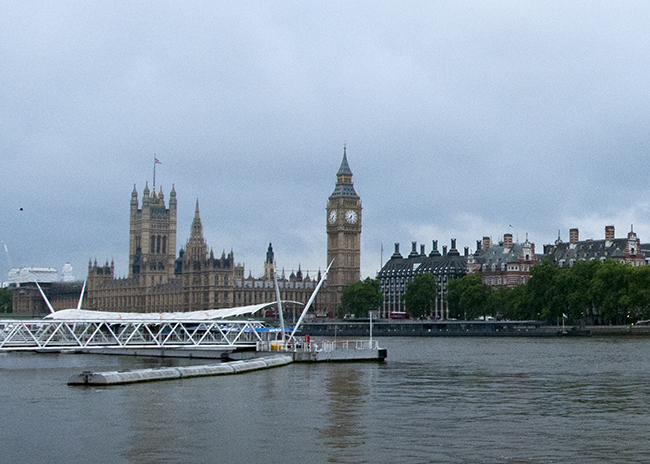
Houses of Parliament from River

Houses of Parliament from River

My recommendation for the day would be to have breakfast and head out to your start point at the London eye (closest tube is either Westminster and walk across the bridge or Waterloo).  Although tickets are only valid for travel from 9 am I would aim to get there a bit early to avoid the crowds and to get your day started as there’s a lot to see.  Before heading to the river visit the area around the Palace of Westminster and Westminster Abbey on the northern bank of the river then cross and perhaps look in on the Aquarium and the London Eye on the south bank.

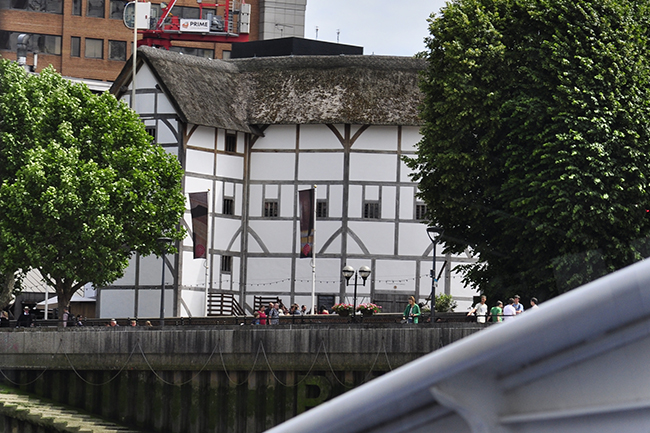
The Globe Theater from the River Bus

The Globe Theater from the River Bus

Once you’ve satisfied yourself here, head to the wharf and hop on the RB1 service to Bankside Pier.  There are three main areas to visit here.  My suggestion would be to start at Shakespeare’s Globe Theatre before walking across the Millennium Bridge to St Paul’s Cathedral, and then on the way back to the Bankside Pier pop in to the Tate Modern Gallery.  Now rejoin the ferry at Bankside and sail down past the battle ship HMS Belfast to Tower Millennium Pier.  This port is right beside the Tower of London and Tower Bridge and if I were you then don’t miss the opportunity for a coffee/drink in the wonderful St Katherine’s Dock before heading down to Greenwich.

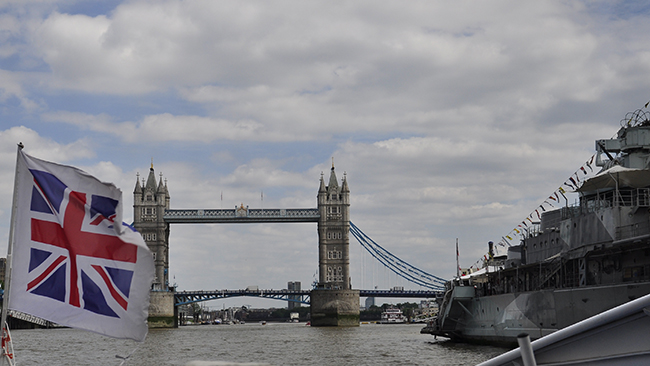
Tower Bridge from River June  2015

Tower Bridge from the river with HMS Belfast on the right hand side of the image.

In Greenwich those looking for a bit of history and culture can opt to visit the Cutty Sark, Old Royal Naval College, Queen’s House, National Maritime Museum or the Old Royal Observatory (Greenwich Mean Time – GMT – anyone!) .  Those looking for a more modern London experience can walk through the park to Blackheath and/or visit the markets in Greenwich.

In reality, if one tried to visit all of these locations it would take considerably longer than one day (even a summers one with long evenings) to “do them justice”. Use it as an opportunity to get a taste of each area in order to decide which ones to return to and spend more time exploring.

I recommend three key areas to revisit for a whole day each from this journey:

  • The area around Westminster,
  • The area around the tower of London and
  • Greenwich

Look out for additional blogs on each of these areas and why not plan to put this trip together with these three day trips to make a great 4 day London short break.

Why take a stroll in the city when the countryside is closer

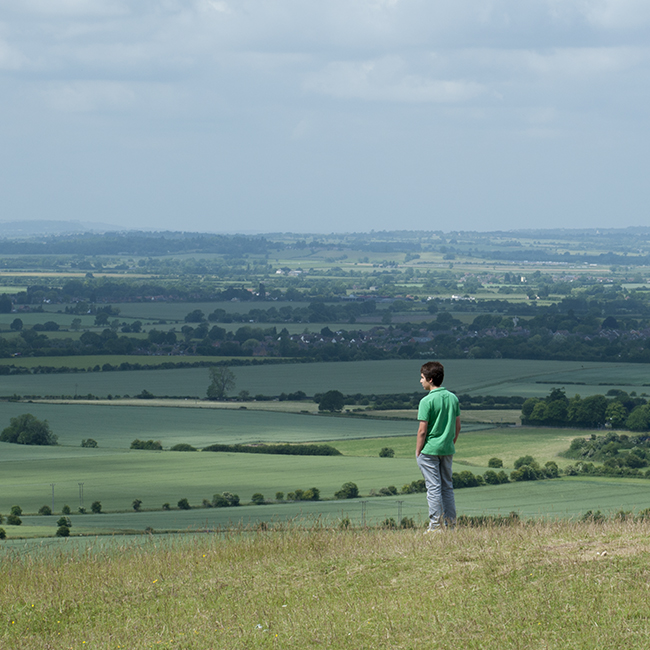
EU-GB-London_20150627_257 lachie checking out the view from Dunstable DownsWhen you travel to London it can be easy to feel that you have to spend your time within the city, however if the weather is great then why not venture out a bit further.

The Dunstable Downs can be reached from the centre of London in about an hour (lets face it that’s less than it can take to get to some of the Parks within the city).  Take a train to Luton from St Pancreas Station and then its an easy bus or taxi ride to the end of the downs.  Alternatively make a day of it and add the 7km walk from Luton to the trip and then get a cab back to the station at the end of the day.

When you get there these chalk downs are perfect for a summers day walk.  Watch the para-gliders soar, visit the Medieval Rabbit Warren, stroll through the Saxon burial area of Five Knolls but above all watch for the wildlife.

London from the river

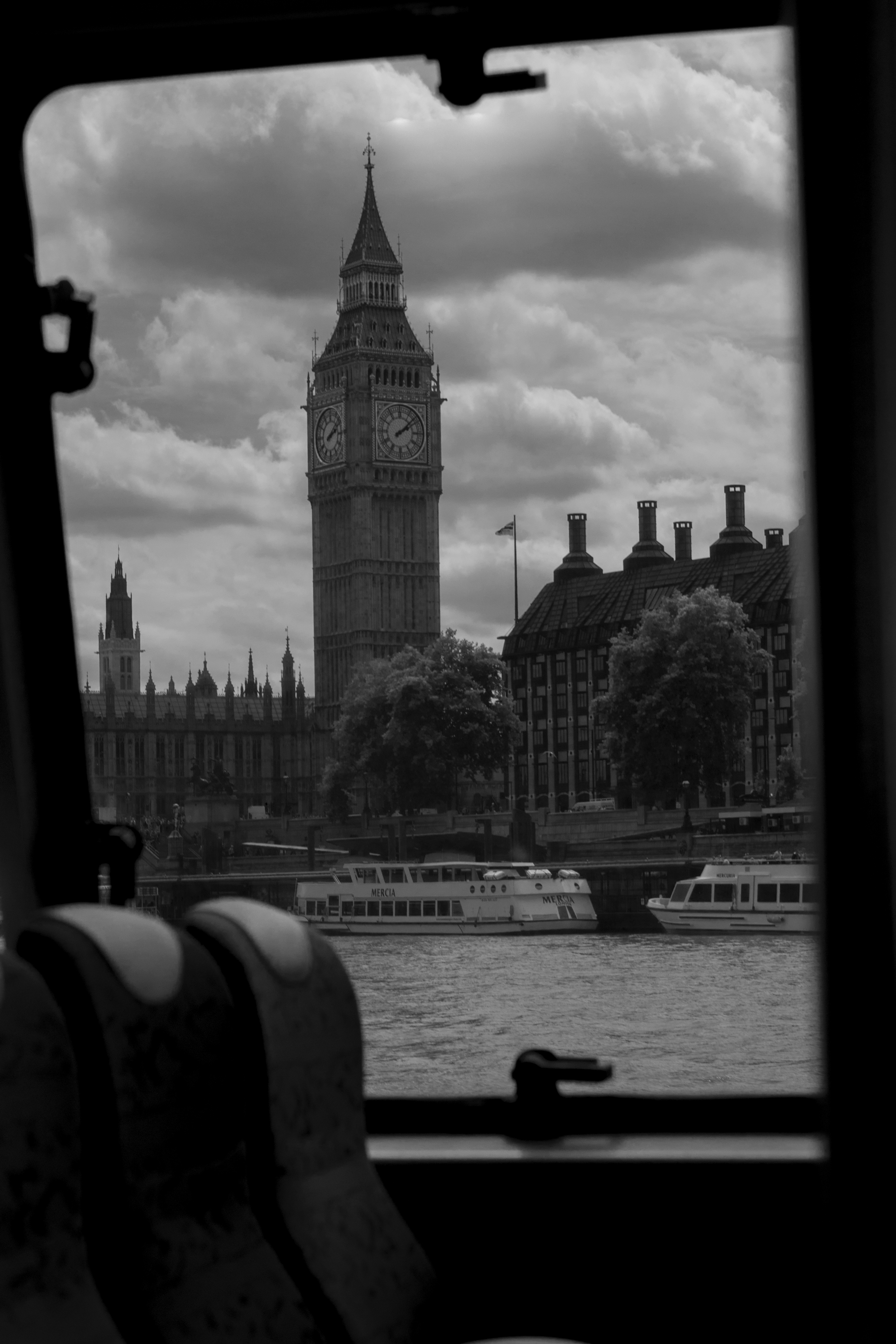
Image of the Queen Elizabeth Tower from the Thames River Bus

Image of the Queen Elizabeth Tower from the Thames River Bus

One of the great ways to see London is from the river. Its not necessary to take an expensive tourist trip just have your guide book at the ready but most of the piers are at points of interest that are announced as the river bus approaches so people know to get off – use this as your tour guide.

A trip from Embankment to Greenwich takes you past many of the cities sights starting with the Houses of Parliament and the Queen Elizabeth Tower – home to Big Ben which is the bell in the clock tower.

Best Pizza in Town

Naples_20150514_243 Brandi

Italy has the best pizza in the world and the best of pizza in Italy comes from Naples and the best in Naples (according to many) is Brandi’s in Salita S. Anna di Palazzo.

Brandi’s has been making pizza since it opened in 1780 (and boy is she now tired) and I have to say I had a really great lunch there. There was a singer in the restaurant singing Italian- esque songs that really made for a magical atmosphere.

I recommend keeping it simple and ordering for the Marinara – which is Tomato, Mozzarella and Basil.

Herculaneum – Pompeii’s sister in disaster

Underneath the modern town of Ercolano near Naples and its much more widely known counterpart, Pompeii, lies the Roman town of Herculaneum. Like Pompeii, Herculaneum was also buried by the eruption of Vesuvius in AD79, but unlike her sister city, buried under tons of falling rock and ash, this roman town was buried under 17m of mud in an instant when it found itself in the path of the volcanoes pyroclastic flow. This lead to a level of preservation unseen anywhere else.

Herculaneum_20150516_015 Old Seafront

If you are unsure what 17 meters looks like the image in the image on the left we are looking along the old harbour front on the left and the green in the moat would have been the beach and the Mediterranean the big “wall” on the right of the image is the layer laid down by the AD79 eruption.

Accounts of the events point to this being primarily laid down by the first of the six pyroclastic flows that occurred during the eruption. This boiling mass of gasses and rocks was so hot that when it hit the hundreds who were hiding in what are now assumed to be the boathouses along the beach were killed instantly and moments later the flow buried the town.

How to best plan for a day in Pompeii

Pompeii is such a treasure and still has so much to teach us about the way people lived during the 1st Century. As such, it is an active hive of new study and preservation work to ensure that what has already been discovered remains safe for future generations to visit and enjoy. Therefore, on any given day some of the streets, houses and other buildings are closed to the public – in some instances for months at a time. In order to best plan your trip and avoid disappointment my tip is arrive in the area the night before you want to visit Pompeii and stay locally.

That way you can visit the gate the evening before your visit and get the map. While there ask the guys at the ticket desk to mark the key areas/buildings that will not be open to the public the next day. That way you can then plan your visit over dinner and avoid planning visits to areas that will be inaccessible. Be warned you will get a frosty reception if you try this before about 4pm as they will still be busy still selling tickets to the people entering Pompeii that day!

My top tips for areas of Pompeii to see early to avoid the crowds

When visiting Pompeii get there early and make sure that you “hit the hot spots” first. These are the main sights that all the big tour groups will go to when they arrive, and in this way way you can enjoy a near private visit to these amazing locations. My top tips for places to tick off first are:

1. The forum
2. Terme Stabiane (the Main Baths – but if traveling with kids be aware the men’s baths have some explicit paintings)
3. Terme del Forum (the Forum Baths)
4 House of the Faun
5. The Theatre Complex (not the Ampitheatre – as that is in a significantly quieter point of the site)
6. Villa of the Mysteries

4 Tips to get the most from a trip to Pompeii

Pompeii is a huge draw for tourists from around the world but many of them are on a day trip from Rome or one of the many cruise ships that pass through the Bay of Naples and along the Amalfi Coast. Whilst these tours give one a great chance to see the amazing city of Pompeii they guarantee that you will see it with several thousands of your new best friends. By lunch time on the day I visited I think there were more people in Pompeii than would have been there at that time of day in AD 78 before the eruption! However a bit of careful planning will enable you to visit the city on your own terms.

My top 4 tips are:
1. Stay in the Area so that you can get up and go to the site early and stay till after sunset if the mood strikes you.
2. The evening before you plan to visit, go to the entrance get and pick up the guide book and map. They seem to restock supplies later in day so if you arrive early they may not have anything available in your language.
3. Over dinner, plan your assault on the ruins using the books and the map. Plan a three hour trip – start with the biggest attractions and leave the basic wandering around till after 10:30 as the big tours will only visit the key locations.
4. Be at the doors when they open to maximise your time in the city without the crowds.